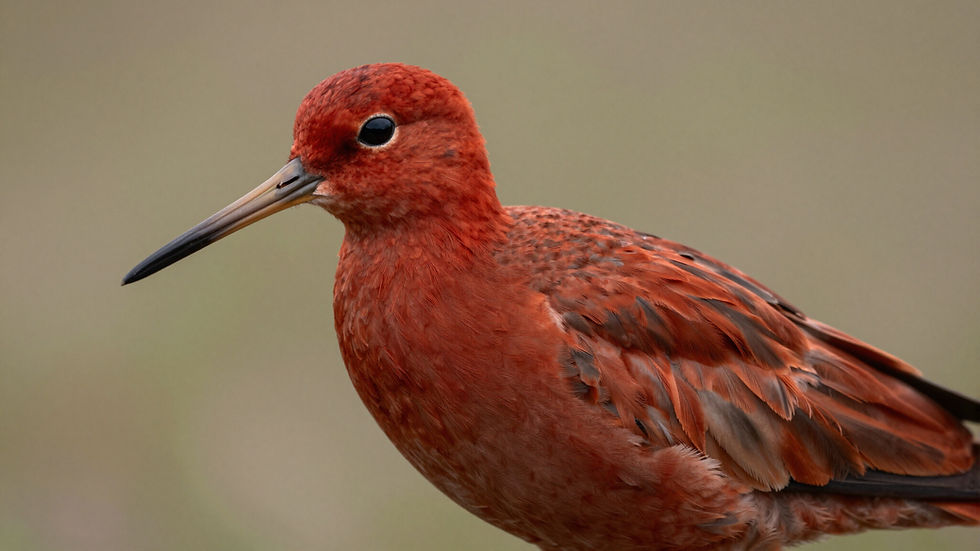
The rufa Red Knot
A small shorebird flying over 30,000 km annually while crossing between two huge continents.
The Tierra del Fuego / Patagonia Population
Among the animal world's top long-distance travelers, the rufa Red Knot migrates from the distant Canadian Arctic down to South America's southern tip every single year.

Journeys relying on specific, vital waypoints
The Red Knot cannot finish this massive trip on one tank. It relies on a network of wintering sites and rest stops to sleep, forage, and gain the necessary energy for their next massive aerial stretch.
Small changes make this great traveler quite at risk. A bird that crosses oceans is still heavily impacted by a lack of nutrition or lost habitats at just one single vital pit stop.
Red Knots gather at very specific locations during their winter migration, which makes them highly sensitive to habitat threats, human noise, and food source shifts.
Canadian Arctic
North America
South America
Tierra del Fuego
~67,500
1982
estimated birds
11,795
2020
birds counted in Tierra del Fuego
Data from the 2020 Canadian review shows the Tierra del Fuego/Patagonia group is in a steep decline, showing a concerning drop over roughly four decades of study.
73% decline over three generations
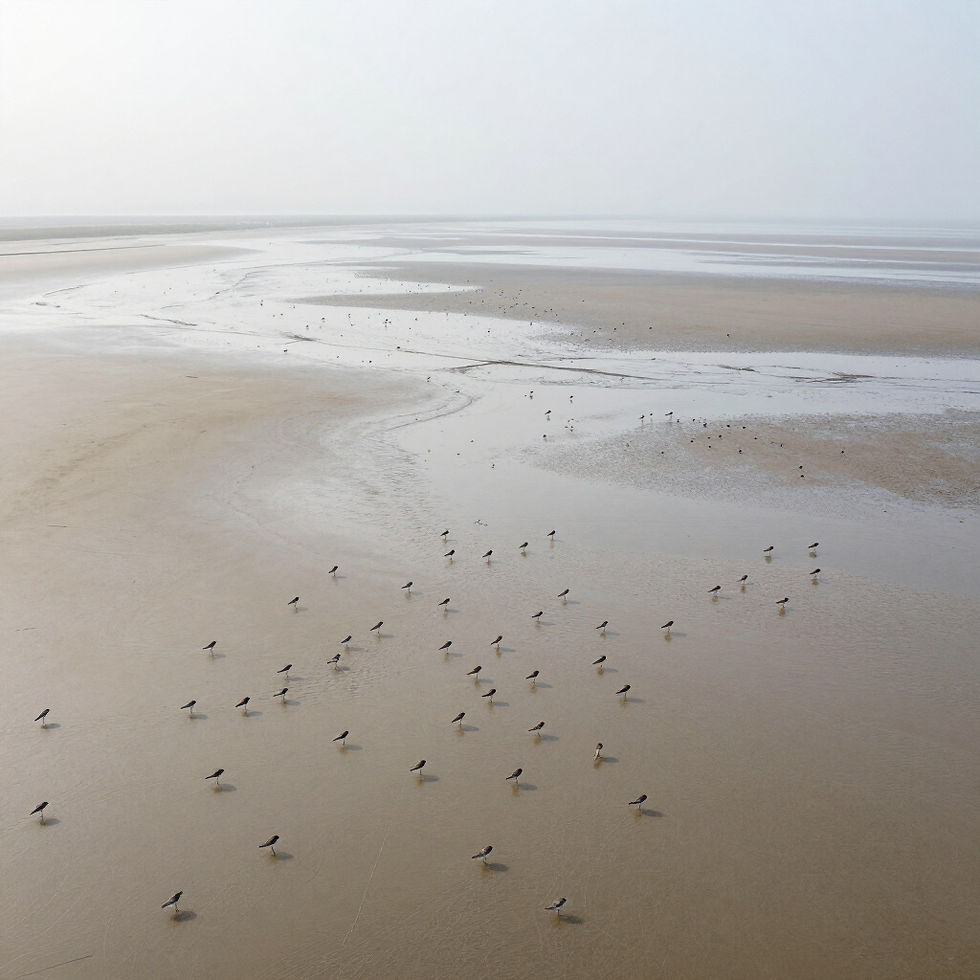
A secondary look at the decline
The Delaware Bay acts as a vital spring stop for migratory rufa Red Knots. Local monitoring effort indicates a steady downward trend lasting over several years.
Peak count 1989
94,460
Annual Peak 86-02
43,099
Annual Peak 2021
21,439

There are signs of improvement
The narrative isn't only about loss. In 2026, the Delaware Bay count saw a peak of 30,414 rufa Red Knots, showing a notable rise from previous historical minimums.
1989 — 94,460
2021 — 6,880
2026 — 30,414
United States
Threatened
Within the United States, the rufa Red Knot is listed as Threatened under their Endangered Species Act law.
Canada
Endangered
The rufa Red Knot is endangered in Canada and faces serious conservation pressures throughout its migration range.